
Turn your hardware idea into a fundable startup
We turn strong hardware ideas into an investor-ready concept, prototype and execution plan. Grounding and rigor come first—so you can raise capital and move forward with confidence.
We have 17+ years of experience developing unique products
The BRUTAL TRUTH
Most hardware founders start in the same place:
a strong belief that their idea is good.
They’ve spotted a problem. They’ve imagined a solution. Sometimes they’ve even built an MVP prototype. From the inside, it feels obvious that this should work.
But here’s what usually goes wrong...
1st, The idea itself isn’t fully grounded.
It sounds good, but key assumptions haven’t been tested. Pricing feels reasonable, but no one has checked if the economics actually survive manufacturing, shipping, and marketing. Demand feels real, but it’s based on intuition, not evidence
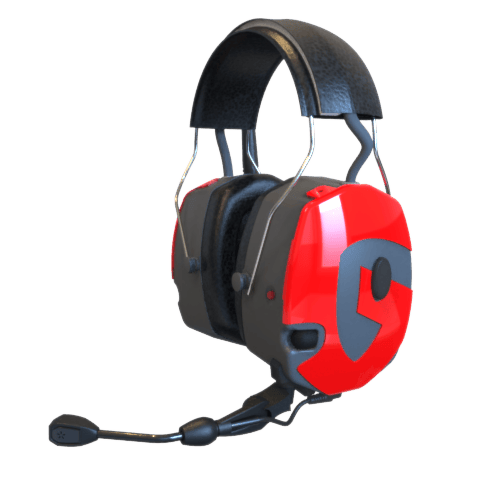
2nd, founders jump too fast into building the wrong concept.
Instead of exploring multiple ways to solve the core problem, they lock into a single embodiment too early. That concept then dictates cost, complexity, tooling, and risk — often without anyone stopping to ask if it’s the right way to solve the problem in the first place.
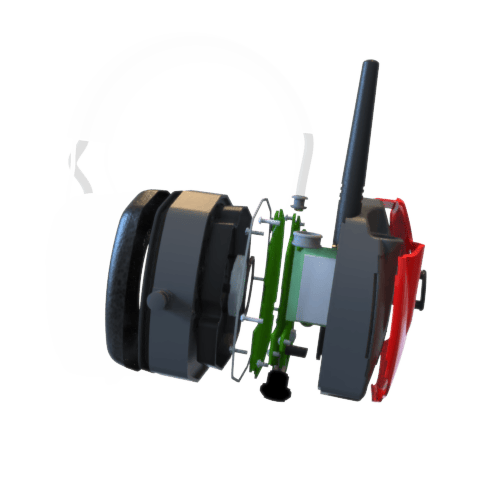
3rd,The business strategy never catches up to the product.
The product gets refined. Features get added. Prototypes get better, but the business model, capital requirements, go-to-market strategy, and scaling logic lag behind. By the time those questions become unavoidable, it's already too late.
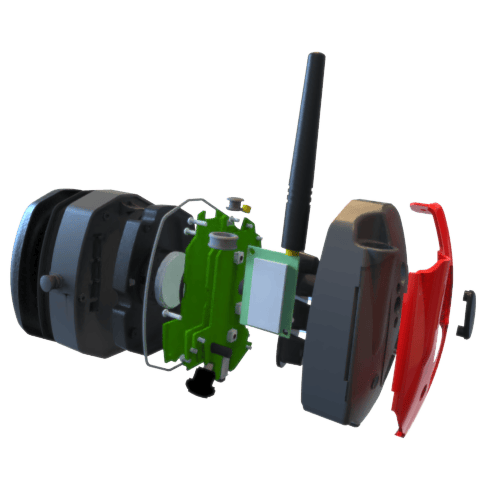
Money has been spent on the wrong things.
Time has been invested in the wrong direction.
And the founder is now emotionally attached to a concept that may never have made sense to begin with.
This is why so many hardware startups stall right after their first MVP prototype, struggle during Kickstarter, or collapse after their first production run. Not because the founders weren’t smart — but because product, concept, and business never matured together.

We’ve helped teams break this cycle
We’ve helped teams:
- Turn ideas into fundable concepts
- Launch products that survive reality
- Build foundations for multi-product growth


Execution without direction is expensive
Investors don’t fund ideas.
They fund concepts that survive reality.
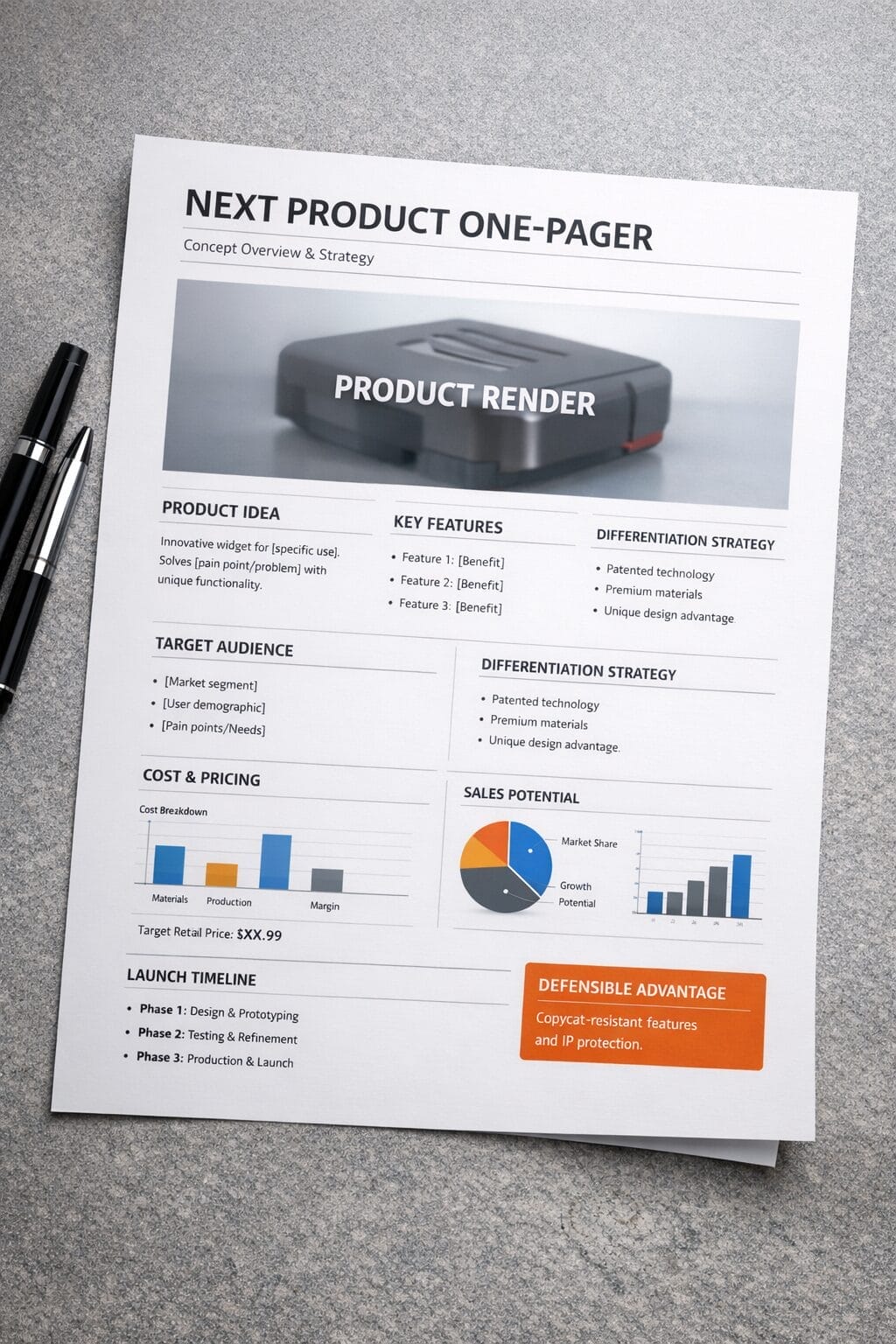
At some point, successful hardware founders all arrive at the same realization:
- A good idea is not enough.
- And a better prototype doesn’t fix a weak foundation.
What actually determines whether a hardware startup survives is when reality is confronted.
If you ground the idea early, you can still change direction cheaply. If you explore multiple concepts before committing, you can choose a solution that actually makes sense to manufacture, sell, and scale.
And if the business evolves alongside the product, capital becomes a tool instead of a constraint.
In the hardware development word. Progress isn't hustle. It is execution backed by the right foundations.
When product, concept, and business mature together, something important changes:
Decisions become clearer. Tradeoffs become explicit. And the story you tell investors stops sounding like hope and starts sounding like a plan.
That’s the difference between an idea people like and a concept people fund.

The shift
Ground first. Then move fast—with direction and course correction.
Most hardware startups don’t fail because the idea is weak.
They fail because product development moves without direction.
Teams may build quickly, but before the idea is grounded, before the right concept is chosen, and before the business is aligned with the product. That speed feels productive until it becomes expensive to change course.
The truth is simple:
Product development speed only matters when it isn’t blind.
When the right foundations are in place, you can move fast toward the right destination, not just away from where you started.
That’s when progress compounds instead of backfires, and when investors start paying attention.
here's how you achieve this
step 1: reality check
We ground your idea in real-world constraints — manufacturing, unit economics, pricing, and risk. So you know early whether this can become a viable product, not just a promising concept.

step 2: strategy and concept
Once grounded, we explore multiple directions and develop a designed-to-win concept — one that makes sense to build, sell, and scale.
This is where product, business, and positioning come together.
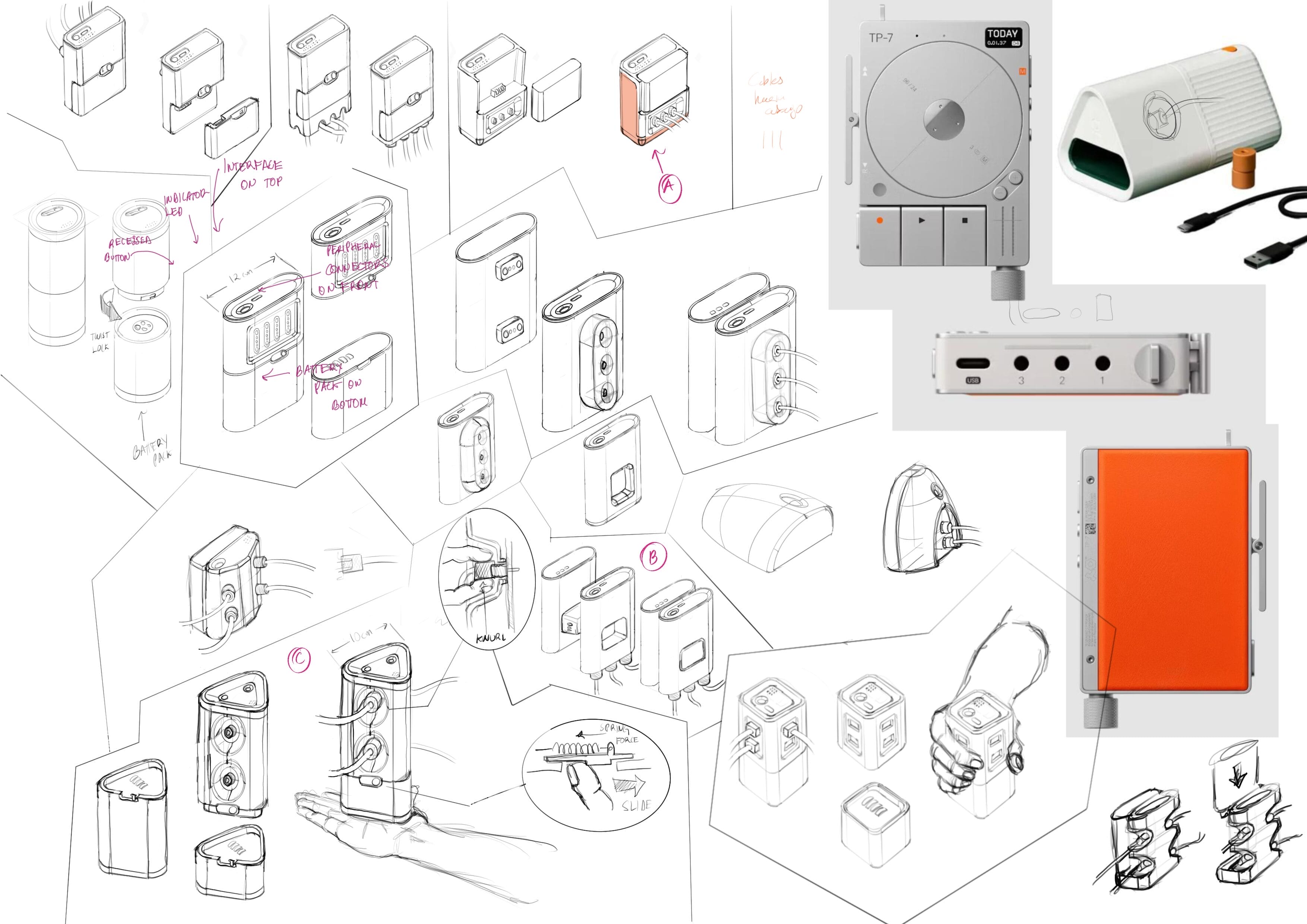

Step 3: execution (optional)
If the concept passes, we move into execution — building prototypes, preparing for production, and supporting your launch.
Always with one goal: a product that works in the real world and scales profitably.
Why work with IDW?
- We design hardware products as compounding product lines, not isolated products.
- We deliver the real IP: CAD, BOMs, prototypes, tooling strategy, and supplier-ready files. You have total ownership of designs, contacts, code, etc.
- We operate as your internal product development unit, long-term if needed.
- We search for ecosystem gravity, not just SKUs.
- We think in IP friction, not patents alone.
- We expect assumptions to change and design for course correction.
Some client ❤️
Ready to turn your idea into a fundable product?
We’ll help you validate your concept, define the right product, and build a foundation investors can trust.